118 Mill Street Home

Category

Buying & Investment

20 articles

Converted to a Lesser Purpose: Why Residential Transformation Is Costing Mill Buildings Their Greatest Economic Potential

Converted to a Lesser Purpose: Why Residential Transformation Is Costing Mill Buildings Their Greatest Economic Potential

The race to convert America's historic mill buildings into residential units has produced attractive lofts and compelling lifestyle narratives—but may be systematically destroying the very economic engines these structures were built to sustain. A growing body of evidence suggests that buildings which resisted full residential conversion are quietly outperforming their transformed counterparts in long-term return, tenant quality, and neighborhood economic impact.

The Luxury Trap: How Residential-Only Conversions Are Leaving Historic Mills' Greatest Value on the Table

The Luxury Trap: How Residential-Only Conversions Are Leaving Historic Mills' Greatest Value on the Table

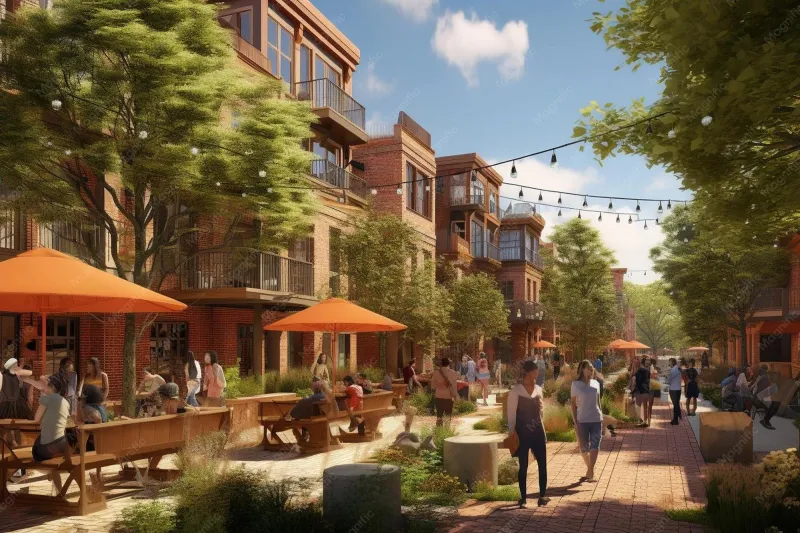
Across America, developers are racing to transform historic mill buildings into high-end apartment complexes — and in doing so, may be systematically erasing the very qualities that make these properties exceptional long-term investments. A closer examination of mixed-use and maker-space models reveals a compelling case that the most profitable mill conversions are rarely the ones that went all-in on residential.

Gutted and Forgotten: How Over-Renovation Is Quietly Erasing the Soul of America's Mill Conversions

Gutted and Forgotten: How Over-Renovation Is Quietly Erasing the Soul of America's Mill Conversions

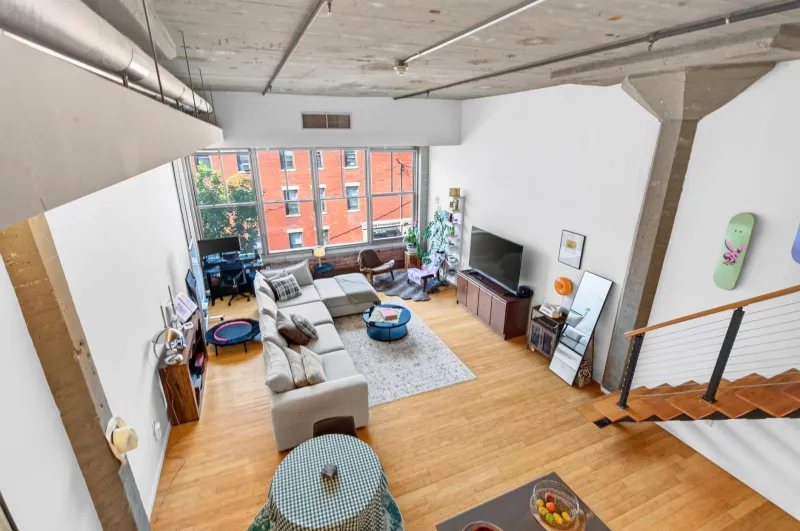
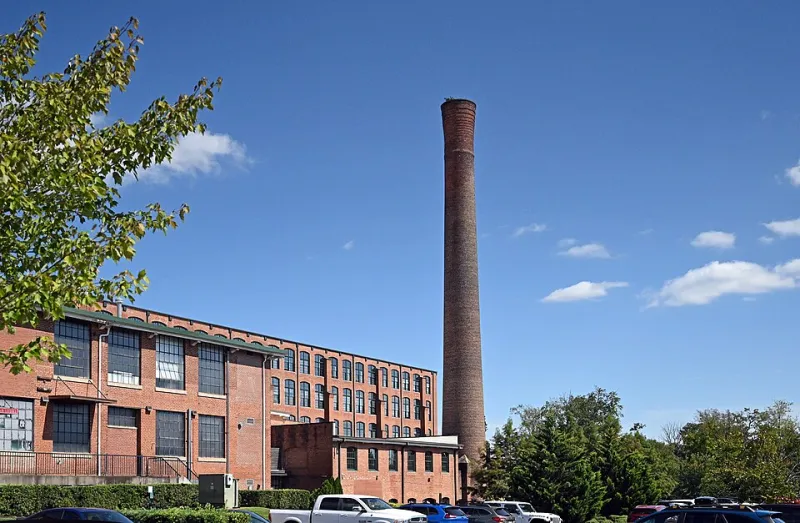
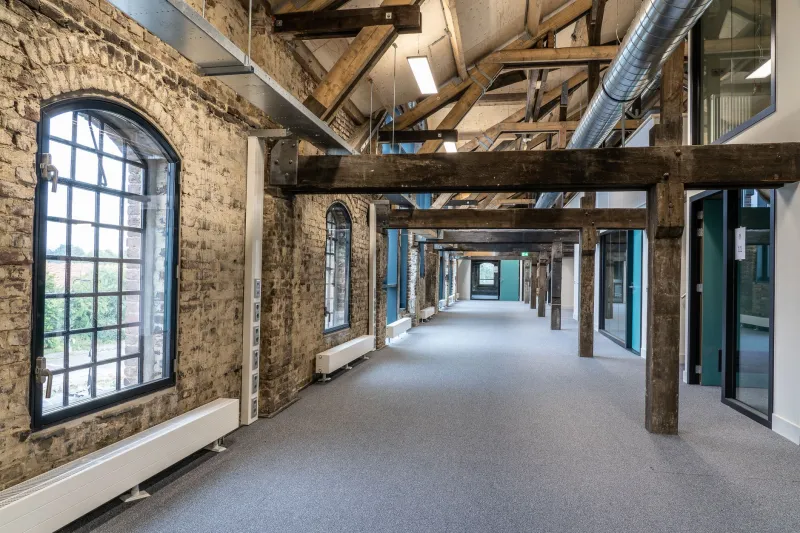
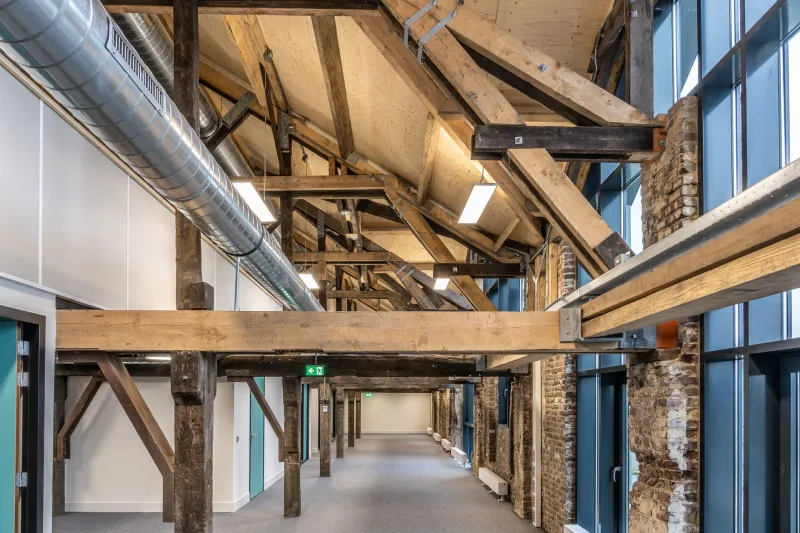
The industrial character that draws buyers to converted mill properties — exposed timber, weathered brick, the tangible weight of history — is increasingly being sanded away in the name of modern convenience. Across the United States, a growing body of evidence suggests that aggressive interior renovations often diminish the very premium that made these addresses desirable in the first place. The most enduring adaptive reuse projects are those that treat original fabric not as an obstacle, but a

Old Bones, New Premiums: Why Heritage Addresses Are Outpacing New Construction in America's Evolving Property Market

Old Bones, New Premiums: Why Heritage Addresses Are Outpacing New Construction in America's Evolving Property Market

Across American cities, a striking valuation gap has emerged between properties anchored to streets with deep industrial and cultural histories and those situated along newly platted corridors. Institutional capital is quietly repositioning itself around this phenomenon, and the underlying forces driving it reveal far more about buyer psychology and urban economics than conventional appraisal models have yet acknowledged. For investors willing to look past the surface, the implications are profo

Residential by Default: The Hidden Forces Steering Mill Conversions Away From Commercial Life

Residential by Default: The Hidden Forces Steering Mill Conversions Away From Commercial Life

When developers stand before a vacant mill building, the math almost always points in one direction: apartments. An examination of the financing structures, tax incentives, and market pressures quietly determining the fate of America's most architecturally significant industrial properties reveals a system that, however well-intentioned, may be trading long-term economic vitality for short-term residential yield.

Below the Surface: How Finished Basements Are Quietly Reshaping Property Valuations Across America

Below the Surface: How Finished Basements Are Quietly Reshaping Property Valuations Across America

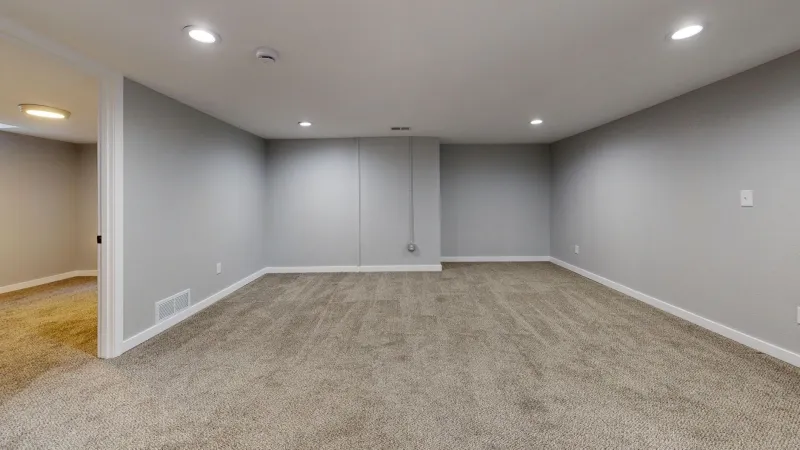
For decades, the basement was little more than a utility corridor—a place for water heaters and forgotten storage. Today, savvy homeowners and investors are discovering that below-grade square footage, thoughtfully finished, can deliver some of the most compelling returns in residential real estate. Understanding how appraisers, buyers, and lenders are reconsidering these spaces may be among the most important due-diligence steps a property owner can take.

The Perfection Penalty: Why the Fully Finished Neighborhood May Be the Riskiest Bet in Real Estate

The Perfection Penalty: Why the Fully Finished Neighborhood May Be the Riskiest Bet in Real Estate

When a neighborhood has everything — curated retail, manicured parks, rooftop amenities, and a waiting list for the best brunch spot — investors often assume they have found the safest possible address. The evidence, however, tells a more complicated story. Savvy capital is quietly migrating toward addresses with rough edges and room to grow, and the returns are beginning to speak for themselves.

Odd Angles, Outsized Returns: Why the Real Estate World Is Reassessing the Corner Parcel

Odd Angles, Outsized Returns: Why the Real Estate World Is Reassessing the Corner Parcel

For decades, corner lots and irregularly shaped parcels were treated as the awkward remainders of urban planning — properties that lingered on the market while their rectangular neighbors sold quickly. That calculus is changing, as architects, entrepreneurs, and institutional investors discover that geometric unconventionality may be one of the most underpriced advantages in today's property landscape.

Numbers Don't Lie: The Hidden Economics of Address Perception and What It Means for Your Property's Value

Numbers Don't Lie: The Hidden Economics of Address Perception and What It Means for Your Property's Value

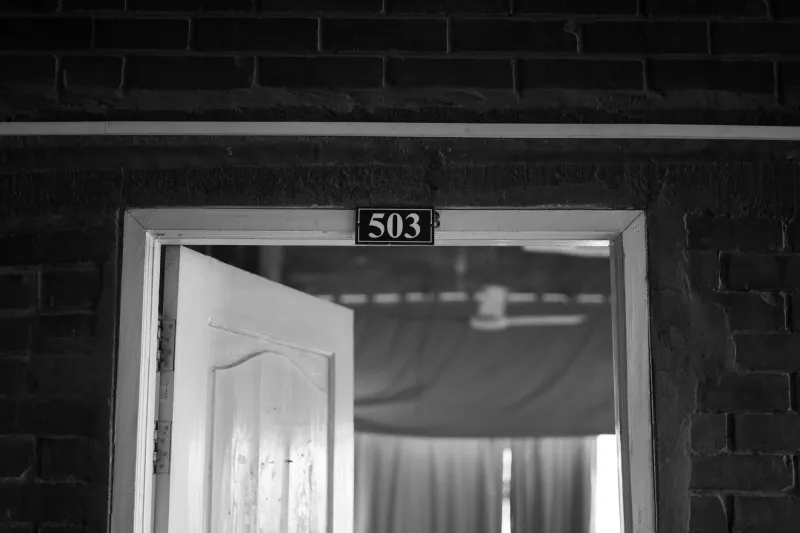
The digits on your door and the name of your street carry more financial weight than most buyers and sellers ever consider. From numerological bias to the premium commanded by historically resonant street names, address perception quietly shapes offers, appraisals, and long-term equity. Here, we examine the data and the psychology behind one of real estate's most underappreciated variables.

Street by Street: How Your Address Is Quietly Determining Your Access to America's Next Wave of Economic Opportunity

Street by Street: How Your Address Is Quietly Determining Your Access to America's Next Wave of Economic Opportunity

As secondary cities across the United States incubate new employment clusters, the specific address from which a resident or business operates is proving to be a decisive factor in economic mobility. New data on wage growth, employer density, and property appreciation suggest that certain streets are not merely locations—they are launching pads. Understanding which addresses sit at the threshold of these emerging hubs may be among the most consequential real estate decisions of this decade.

Brick Walls and Venture Capital: Why Founders Are Choosing Repurposed Industrial Addresses Over Gleaming Tech Campuses

Brick Walls and Venture Capital: Why Founders Are Choosing Repurposed Industrial Addresses Over Gleaming Tech Campuses

Venture capital firms and creative enterprises are making a deliberate pivot away from purpose-built tech parks and Class A office towers, gravitating instead toward repurposed mill buildings and historic industrial corridors in secondary markets. The reasons are economic, cultural, and architectural — and the financial opportunity for property owners who understand this shift is substantial.

Location as Legacy: A Practical Guide to Choosing an Address That Builds Wealth Over the Next Two Decades

Location as Legacy: A Practical Guide to Choosing an Address That Builds Wealth Over the Next Two Decades

The address you select today is not merely a mailing label — it is a long-term financial instrument, one whose returns will be shaped by factors that most buyers never formally evaluate. Drawing on neighborhood economics, walkability research, and the early signals that precede mainstream appreciation, this guide offers a disciplined framework for identifying the streets and districts most likely to generate meaningful wealth by 2040. For buyers willing to look past the obvious, the opportunity

From Foundry to Front Door: How America's Industrial Addresses Are Writing Their Most Compelling Chapter Yet

From Foundry to Front Door: How America's Industrial Addresses Are Writing Their Most Compelling Chapter Yet

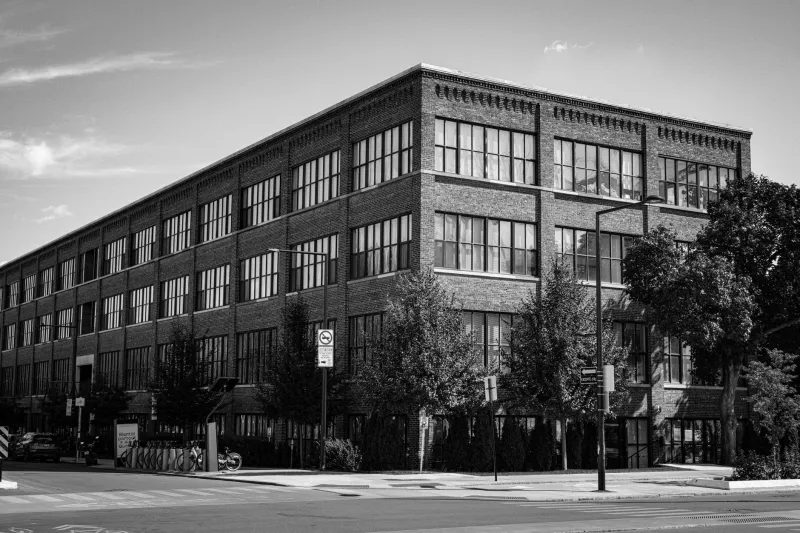
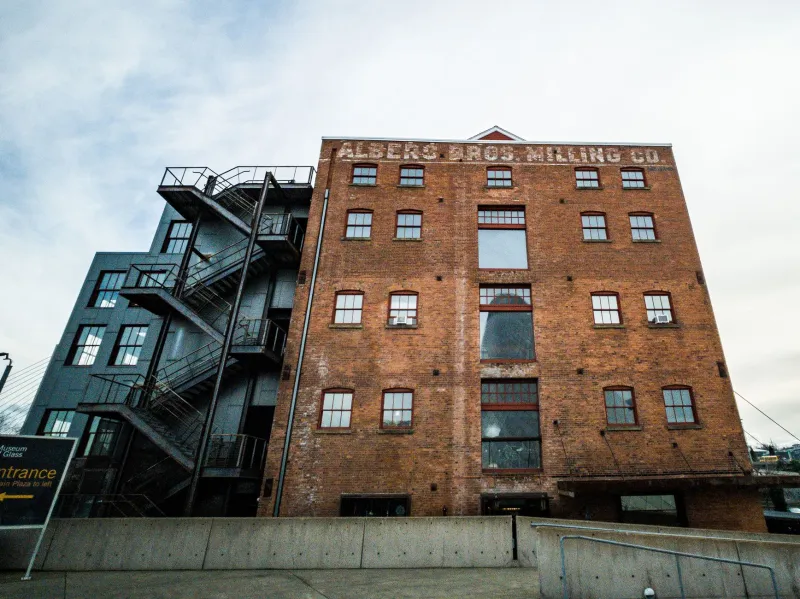
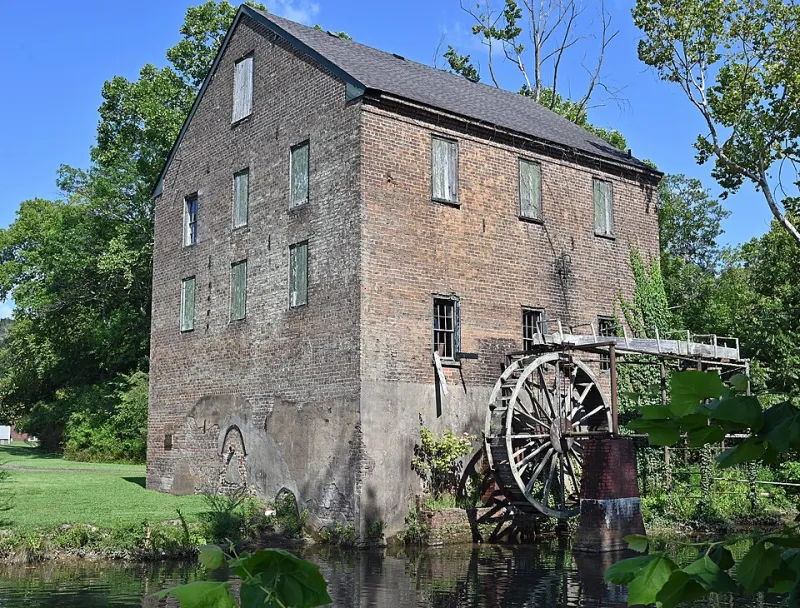
Across the United States, former factories, warehouses, and mill buildings are undergoing transformations that preserve their architectural character while welcoming entirely new purposes. For developers and buyers alike, the storied past of an industrial address has become one of its most bankable assets. At 118 Mill Street, we examine what drives the enduring appeal of these reinvented spaces.

What's in a Name? Why Heritage Street Addresses Are Fetching Top Dollar

What's in a Name? Why Heritage Street Addresses Are Fetching Top Dollar

Properties bearing addresses tied to America's industrial past—Mill Street among them—are quietly outperforming comparable listings in markets coast to coast. A convergence of buyer psychology, renovation economics, and cultural nostalgia is driving unprecedented appreciation for addresses that carry historical weight. Here is what investors and homebuyers need to understand before the window closes.

More Than a Mailing Label: The Surprising Power of Your Property's Address

More Than a Mailing Label: The Surprising Power of Your Property's Address

An address is, on its surface, a practical designation — a way for mail carriers and rideshare drivers to find you. But in the world of real estate, the specific street and number attached to a property carry consequences that reach far beyond logistics. From property valuations to personal identity, the address you choose shapes your financial future and your daily experience in ways that merit serious consideration.